
News & Updates
Here you can find the latest news, interviews, and updates related to my research, teaching, and collaborations. Stay tuned for new insights and developments.
🚀 International research collaboration in action!
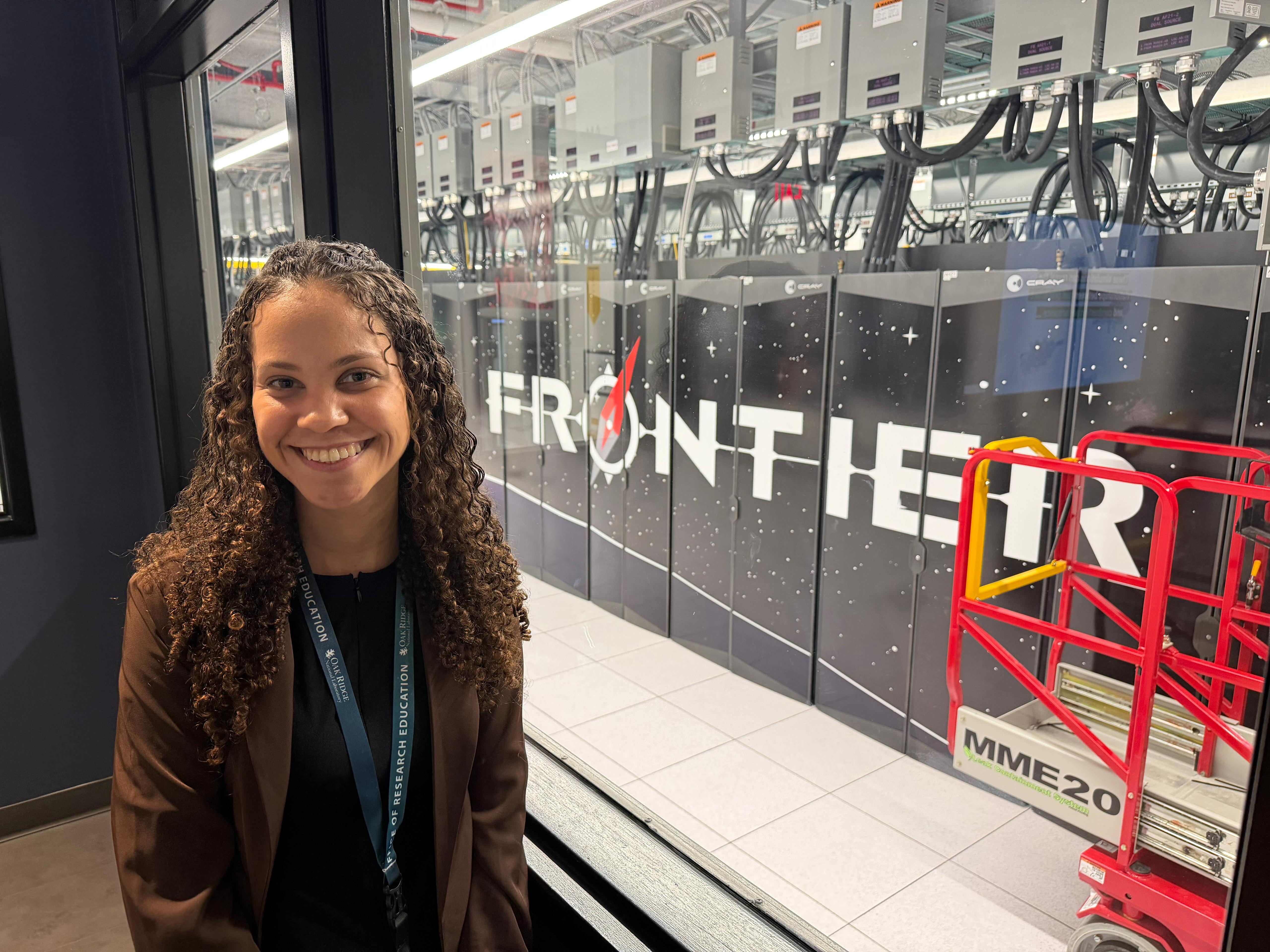
We are excited to share that Valesca Moura, a Master's student at the Institute of Computing at Universidade Federal Fluminense (UFF), advised by me and member of the UFFeScience Research Group, has started an internship at the Oak Ridge National Laboratory (ORNL).
During her internship, Valesca will work on her Master's dissertation topic, "Provenance Management for Agentic Workflows", collaborating closely with the ORNL research team to advance this important area of study.
Her work will be supervised by Renan Souza, strengthening the collaboration between IC/UFF, UFFeScience, and ORNL.
💡 Why this matters:
This internship represents an important step in advancing research on agentic systems and provenance management, while also fostering international scientific collaboration.
It provides a valuable opportunity to connect academic research with real-world challenges in high-performance and distributed computing environments.
🎉 Congratulations to Valesca on this achievement! We wish her a successful and rewarding experience at ORNL.
#UFF #UFFeScience #ORNL #Research #Internship #AgenticAI #ProvenanceManagement #ScientificCollaboration
🔬 Do we really need to recompute everything?
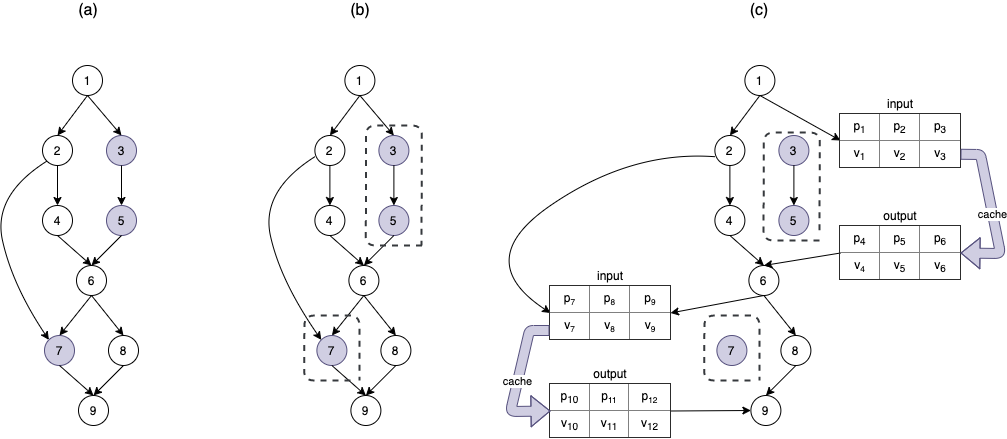
In many scientific workflows, the same pipelines are executed repeatedly with only small changes in parameters or datasets. Yet, most systems still recompute everything from scratch.
This inefficiency motivated a question that led to our recent research.
I’m happy to share that our paper “Have We Seen these Data Before? A GRASP-based Execution Strategy for Cloud-based Workflows with Memoization” has been accepted for publication in Concurrency and Computation: Practice and Experience 🎉
💡 Key idea:
Instead of recomputing intermediate results, why not reuse computations that were already performed before?
In this work we propose MemoirGRASP, a workflow execution strategy based on the GRASP metaheuristic that leverages memoization to detect and reuse previously computed intermediate data across workflow executions.
📊 What we found:
Experiments with synthetic workflows and real-world applications such as Montage and Phenomenal show that reusing intermediate results can significantly reduce redundant computation and improve execution efficiency in multisite cloud environments.
🤝 This work is the result of a great international collaboration between researchers from Universidade Federal Fluminense (UFF), University of Göttingen, Inria / University of Montpellier, CNRS, and LNCC.
Grateful to all co-authors for this collaboration and excited to see how these ideas can help make scientific computing more efficient and sustainable.
#ScientificWorkflows #CloudComputing #DistributedSystems #HighPerformanceComputing #Research
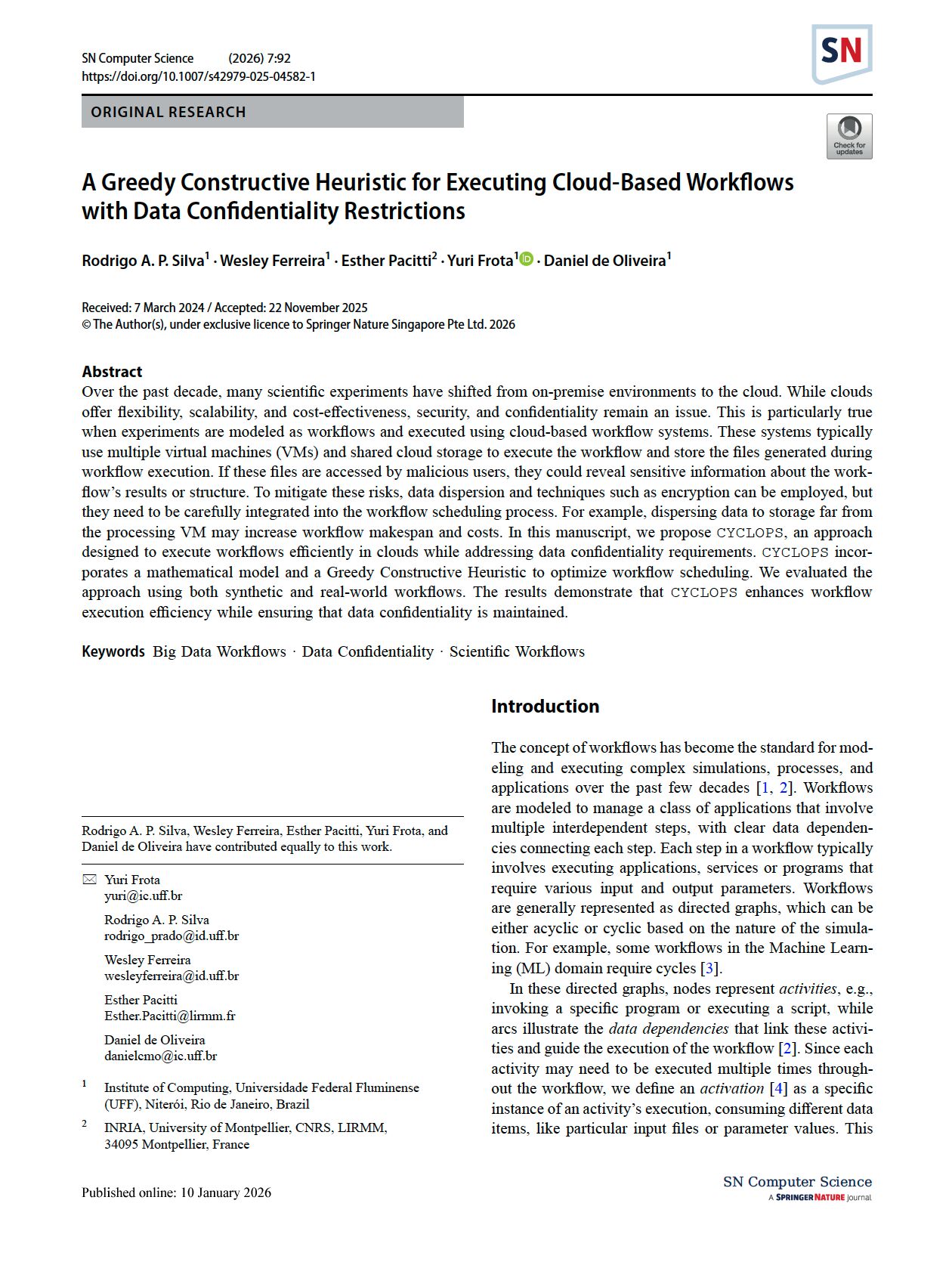
A new paper has been published in SN Computer Science introducing CYCLOPS, a novel approach for executing cloud-based scientific workflows with strong data confidentiality guarantees, without compromising performance or cost efficiency.
This work was led by Rodrigo A. P. Silva during his PhD, in collaboration with Wesley Ferreira, Esther Pacitti, Yuri Frota, and Daniel de Oliveira.
CYCLOPS addresses a fundamental challenge in cloud computing: how to efficiently execute complex, data-intensive scientific workflows in public clouds while protecting sensitive data and preventing unintended information leakage. To tackle this, the approach jointly optimizes workflow scheduling and data placement, instead of treating them as independent problems.
Importantly, CYCLOPS does not rely on private or on-premise infrastructure. It is designed specifically for public cloud environments, enforcing confidentiality through intelligent scheduling decisions, data dispersion strategies, and awareness of heterogeneous security capabilities.
Congratulations to the entire team on this exciting contribution! 🚀
#SNComputerScience #ScientificWorkflows #CloudComputing #DataConfidentiality #CYCLOPS
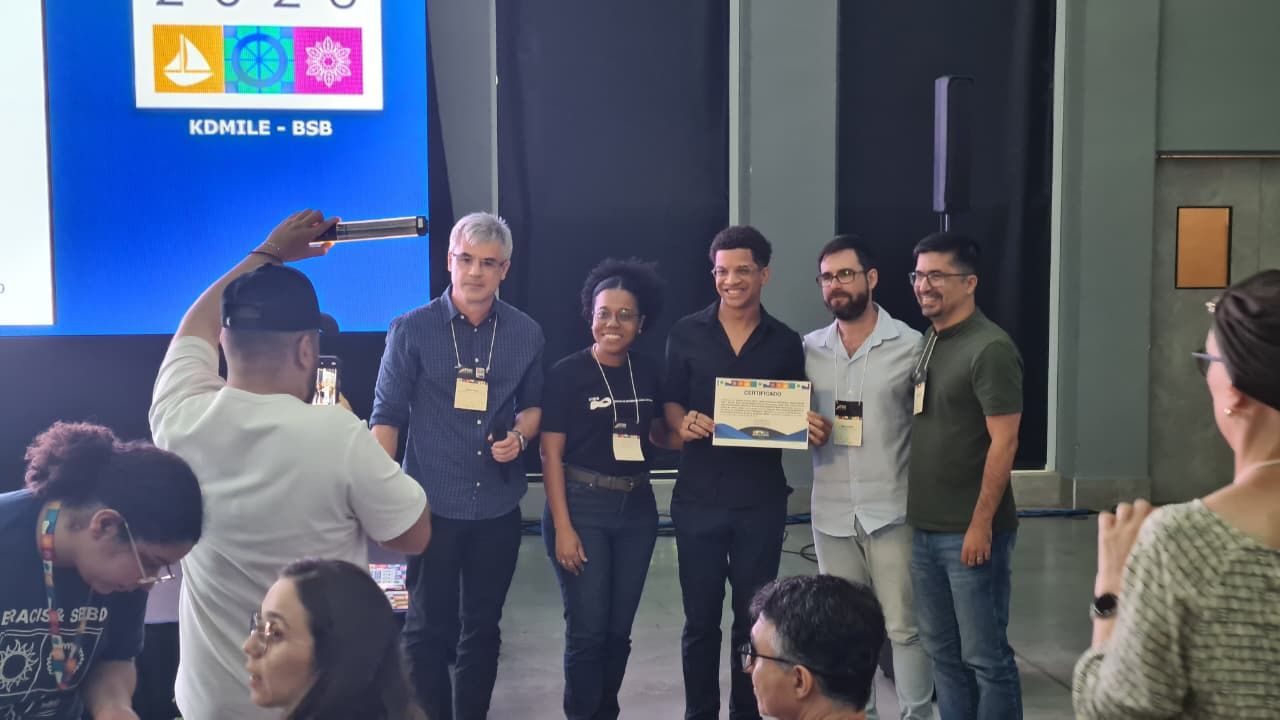
Wesley Ferreira won the Best Demo Award at SBBD 2025 with the paper “Plug and Flow: Executing Scientific Workflows in Containers with the AkôFlow Middleware,” co-authored with Liliane Kunstmann, Raphael Reis Garcia, Marcos Bedo, Aline Paes, and Daniel de Oliveira.
The demo showcased AkôFlow, a middleware built on top of Kubernetes to support the parallel execution of scientific workflows in containerized environments. AkôFlow enables automatic scaling of workflow activities, each running in distinct Docker images, while also providing native provenance data capture. The paper demonstrated its use in the astronomy workflow Montage, exploring different resource allocation strategies. Beyond the technical contribution, this work highlights how innovative middleware solutions can foster scalable and reproducible scientific data processing.
Congratulations, Wesley Ferreira, and the entire team, for this achievement at SBBD 2025! 🏆
#BestDemo2025 #SBBD2025 #BRACIS2025 #Containers #Workflows #BigData
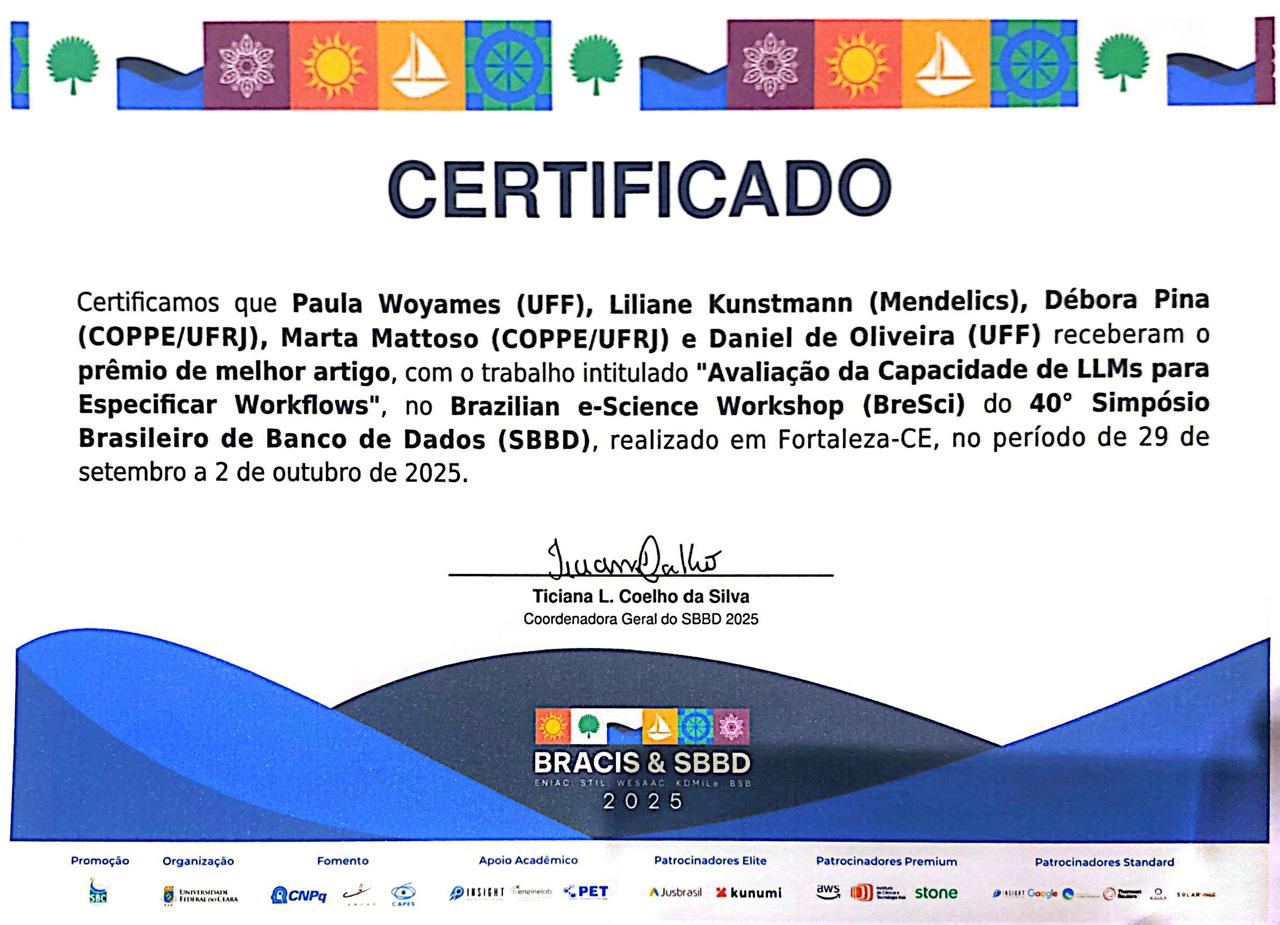
Paula Woyames, winner of the Best Paper Award at BreSci 2025 with the work “Evaluating the Capability of LLMs to Specify Workflows,” co-authored with Débora Pina, Liliane Kunstmann, Marta Mattoso, and Daniel de Oliveira. 🏆
The paper evaluated the use of Large Language Models (LLMs) to specify workflows from natural language descriptions. It compared three models (GPT-4o, DeepSeek V3, and Command-A), two prompt strategies, and four workflow systems (Nextflow, Parsl, Dask, and Airflow), applied to workflows of varying complexity.
Congratulations to Paula Woyames and the entire team for this achievement at BreSci 2025!
#BreSci2025 #SBBD2025 #BRACIS2025 #LLMs #UFFeScience #BigData
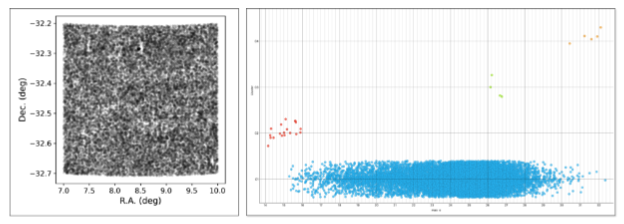
We are pleased to announce that our paper “Federated Outlier Detection for Astronomical Data: Performance Analysis on Commercial Clouds” has been accepted at SSCAD 2025, to be held in Bonito, MS, Brazil! ✨
This work is part of Camila Lopes’ PhD thesis, supervised by Prof. Daniel de Oliveira and Prof. Aline Paes, and developed in collaboration with:
- Wesley Ferreira (IC/UFF)
- Marta Mattoso (COPPE/UFRJ)
- Rafael Ferreira da Silva (ORNL)
- Julia Gschwend (LIneA)
- Luiz Nicolaci (LIneA)
🔭 The paper investigates how Federated Learning (FL) can be applied to outlier detection in large astronomical catalogs, addressing scalability challenges from surveys such as the Dark Energy Survey (DES) and the upcoming Legacy Survey of Space and Time (LSST). We emulate FL deployments on Amazon Web Services (AWS), evaluating different compute configurations. The results show the trade-offs between training time and financial cost, providing valuable insights for configuring FL workflows at LSST scale.
Congratulations to all authors! 🙌
#Astronomy #FederatedLearning #MachineLearning #CloudComputing #SSCAD2025 #BigData
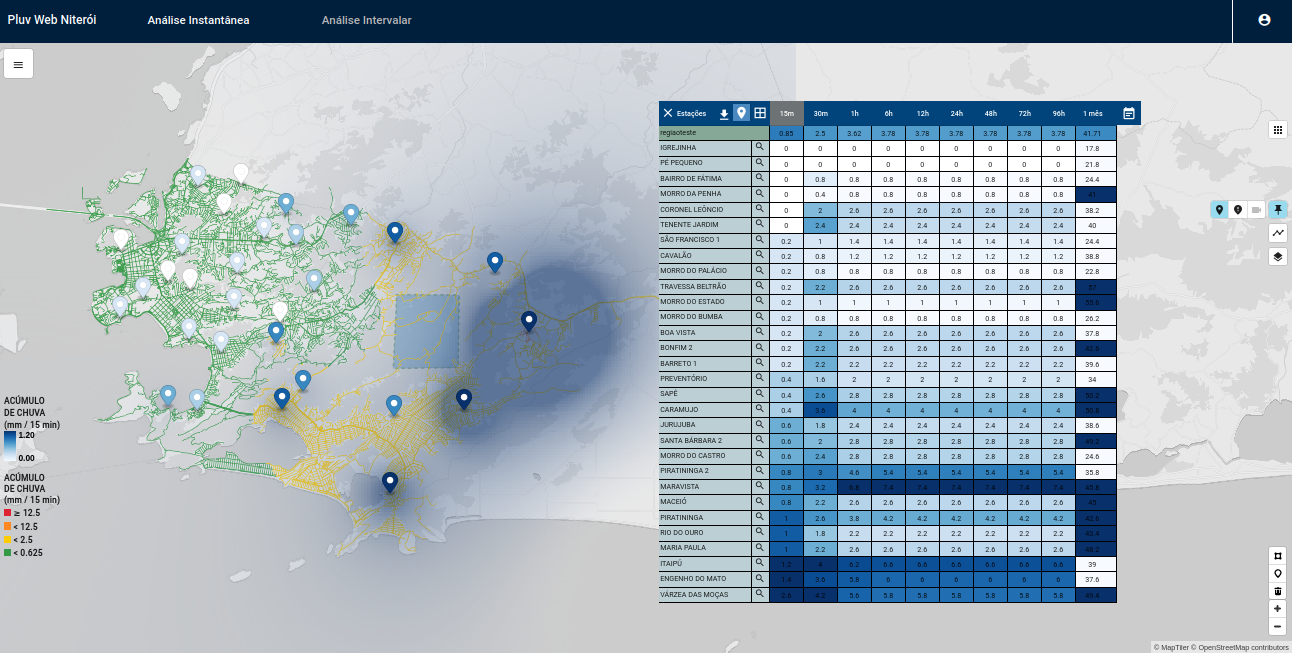
Excited to share that our paper “Real-time monitoring and historical analysis of rainfall and its impacts on urban areas” has been accepted for SIBGRAPI 2025 in Salvador! 🎉
This paper is the result of Fabio Victorino da Cruz’s master’s thesis, supervised by Prof. Marcos Lage and Prof. Daniel de Oliveira, with the collaboration of Prof. Aline Paes and Prof. Fabio Miranda.
Our work presents the PluvWeb system, which integrates data from multiple sources, modalities, granularities, and formats to analyze the impact of rainfall in urban areas.
We look forward to presenting our findings and engaging with the community at SIBGRAPI 2025.
#SIBGRAPI2025 #UrbanFlooding #RainfallMonitoring #SmartCities #Research

We congratulate Annie Amorim on successfully passing her PhD Qualification Exam with the research:
"Merging Transformer Models to Improve Generalization in Text Classification in Portuguese"
Annie is advised by Prof. Aline Paes and Prof. Daniel de Oliveira, with Prof. Artur Jordão (USP) and Flavia Bernardini (IC/UFF) serving as examiners.
A well-deserved recognition for her outstanding work.

Our research group is proud to announce its strong presence at the Brazilian Symposium on Databases (SBBD 2025), which will take place in Fortaleza from September 29 to October 2. We had six full papers and two short papers accepted, showcasing the quality and diversity of our ongoing work. Notably, the short paper derived from Lyncoln Oliveira’s PhD thesis, entitled “Towards Enabling the Analysis of Visual Exploration Processes through Interaction Provenance”, has been nominated for the Best Short Paper Award.
In addition to these publications, we will also present a demo, two contributions at the Brazilian eScience Workshop, and our postdoctoral researcher Débora Pina will deliver a keynote at the DSW. This collective achievement reflects the dedication, creativity, and collaborative spirit of the entire team led by Professor Daniel de Oliveira.
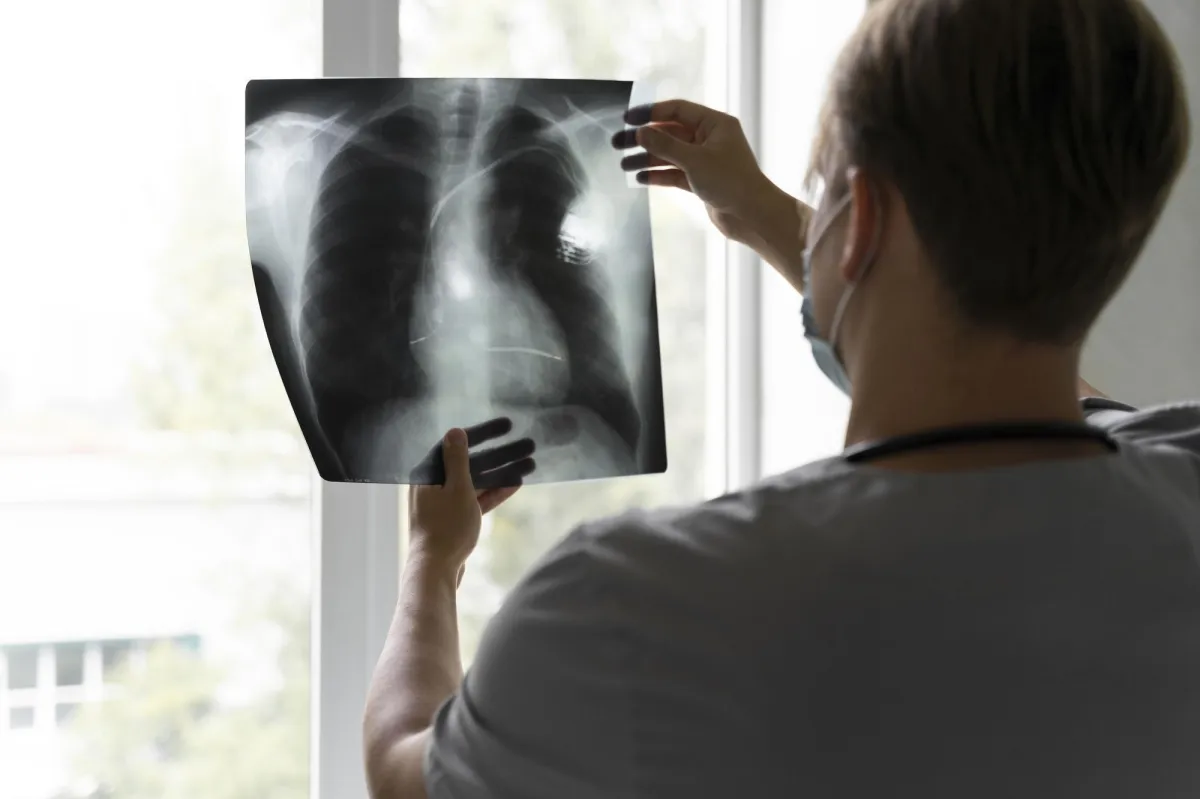
Researchers in Brazil have developed an artificial intelligence system capable of assisting in the early detection of lung cancer, one of the leading causes of cancer-related deaths worldwide. The technology aims to improve diagnostic accuracy, reduce waiting times, and support healthcare professionals. Daniel de Oliveira, professor at the Institute of Computing at Fluminense Federal University (UFF), highlights the role of advanced computing and collaborative research in making this innovation possible.
In this interview, the host Neide Diniz talks with Luiz Nicolaci, director of LIneA – Interinstitutional Laboratory for e-Astronomy and coordinator at the National Institute of Technology (INCT), and Daniel de Oliveira, professor at the Institute of Computing, Fluminense Federal University (UFF)

Brazilian scientists are directly involved in processing data for the international LSST project, which aims to map around 37 billion stars and galaxies over ten years. Brazil participates with more than 170 researchers, including students and professionals working in Chile and the USA.